Wake gently
Warm light and quiet music soften the transition into a low-energy morning.


Ambient Intelligence · Spatial Interaction · 2025
Ava is a responsive home environment that reads emotional cues and reshapes light, sound, and projected space—helping a room feel less like a machine and more like a considerate companion.
Emotion-aware home · Ava
Instead of waiting for a command, the environment observes a change in mood, chooses a supportive atmosphere, and transitions around the person.
01 · The Opportunity
Living alone and working remotely can blur the boundary between focus, fatigue, and isolation. Most connected homes still wait for explicit commands, placing one more decision on a person who may already feel depleted.
We imagined Ava for that gap: an environment that recognizes emotional signals, responds gently, and keeps the person in control.

A remote UX designer living alone, managing work stress, fatigue, and a home that often feels emotionally cold.
Warm light and quiet music soften the transition into a low-energy morning.
After a stressful meeting, cool tones and low ambient sound create breathing room.
Starry projection, warmer light, and guided breathing turn an evening slump into a restorative pause.
02 · Response Model
The concept combines several imperfect signals instead of treating one measurement as emotional truth. The system interprets a pattern, selects a supportive state, and changes the atmosphere across multiple channels.

03 · Model Making
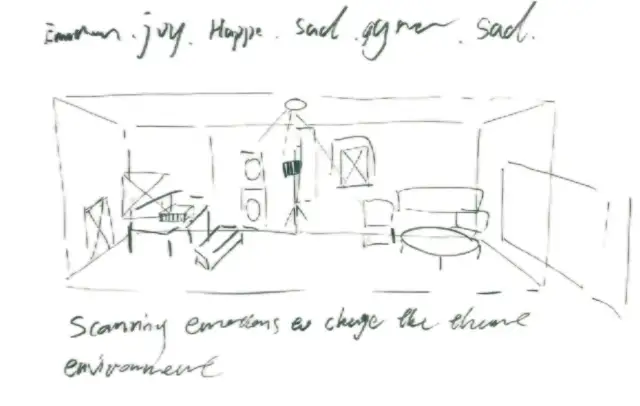
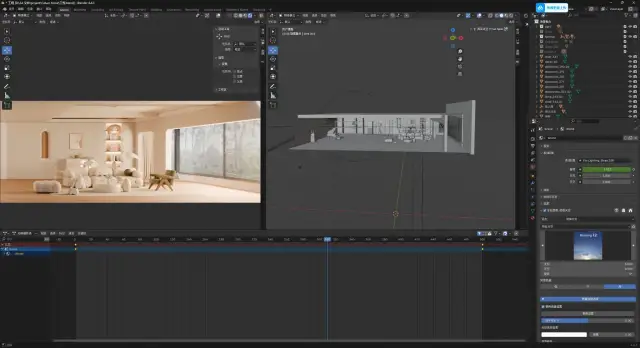
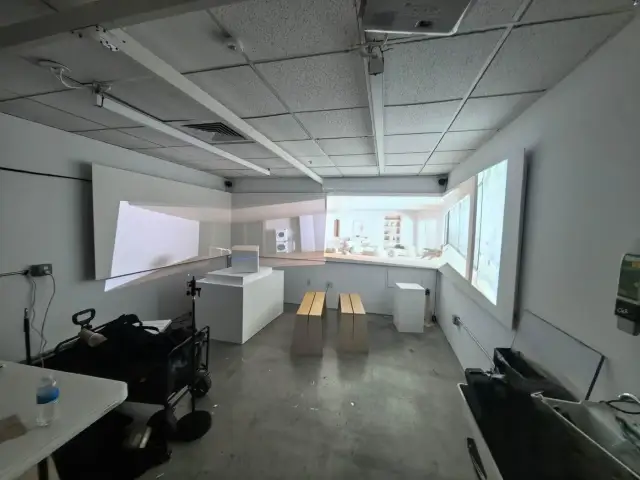
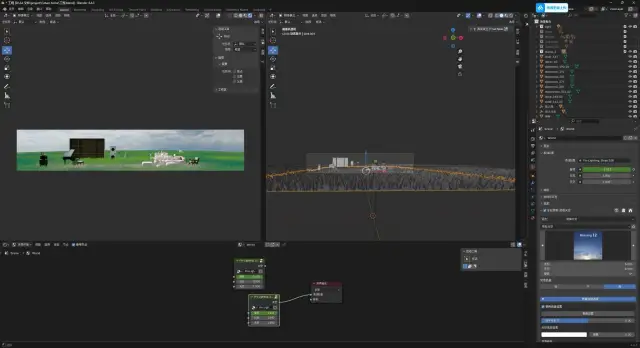
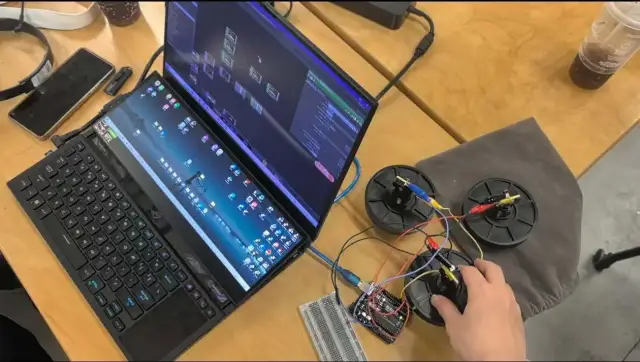
We moved from hand sketches to a Blender environment, then connected visual states in TouchDesigner. A small room model helped us test projection geometry before scaling the experience across the walls of the exhibition space.
04 · Environmental States
Each mode changes more than a background image. It suggests a different pace, level of stimulation, and relationship between the person and the room.
A calm domestic baseline for everyday activity and gentle focus.

A quiet, low-stimulation night landscape for slowing down and creating distance from stress.

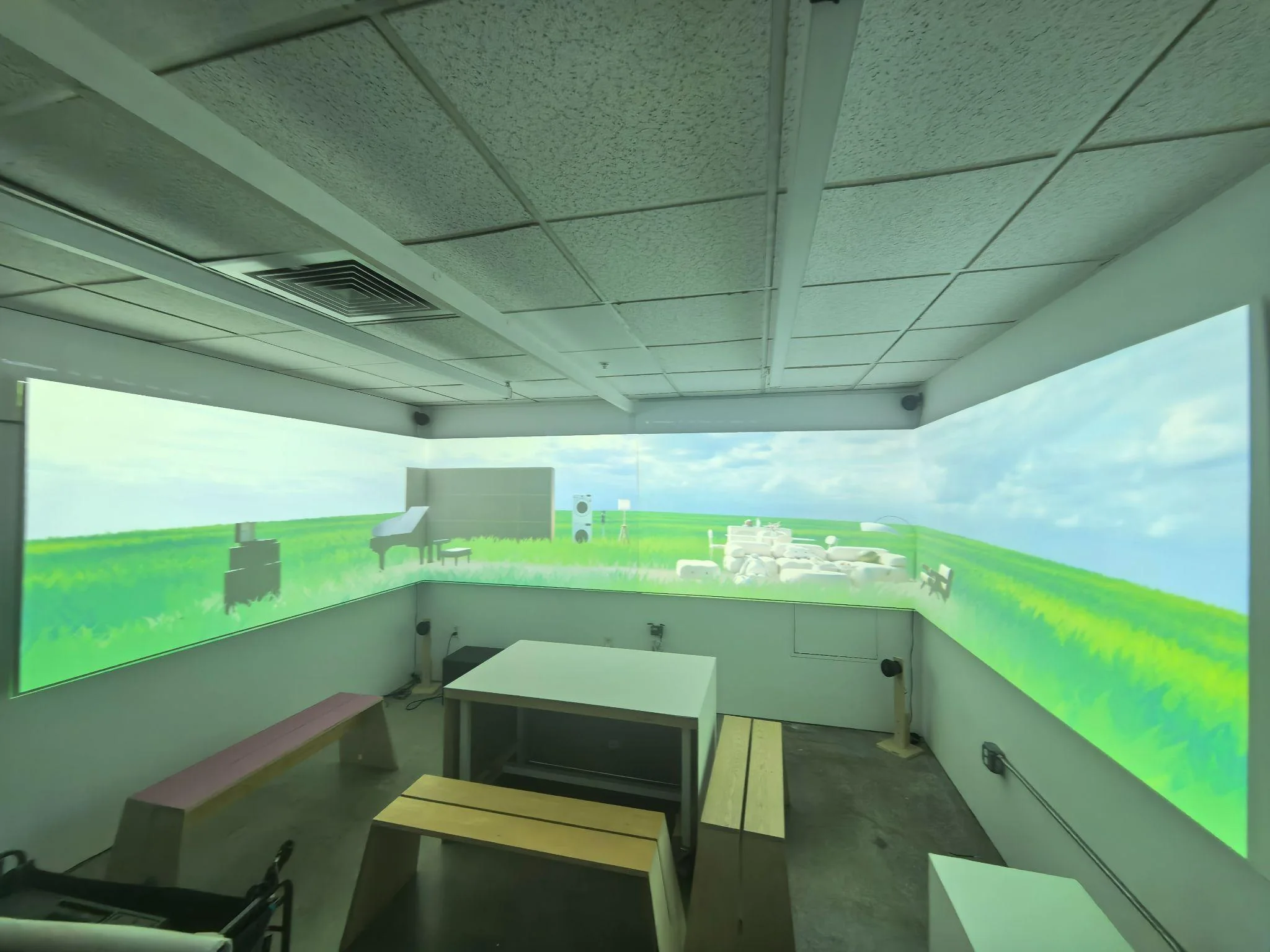
An open grassland that brightens the room and invites movement, play, and recovery.

05 · Launch
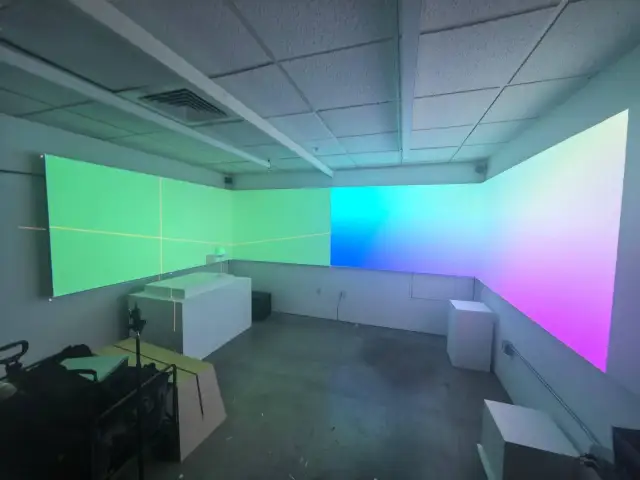
The final installation used three projected walls to make the environment feel continuous. Participants could experience how a shift in light, image, and sound changed the emotional reading of the same physical room.
“The starry sky made it feel like the environment was wrapping me up.”
Ziang Li · Space mode
“I did not notice how tense I was until the music and image slowed down—and I slowed down too.”
Emily Wu · Forest environment
“It felt responded to. That reminder to stop was more effective than opening a meditation app.”
Shuoning Liang · Prototype feedback
06 · Reflection
What worked
Combining light, sound, and projection made the environmental shift more convincing than any single output alone.
Transitions matter
Fast or abrupt changes can feel alarming. Delays and gradual transition animations need to be part of the emotional interaction.
One room, many people
A shared space introduces conflicting signals and needs. Multi-person recognition should never flatten the room into one averaged mood.
Next iteration
Add an emotion diary, manual preferences, adjustable response delay, and clearer ways to accept, tune, or dismiss a suggestion.
A home should not decide how you feel. It can notice, offer, and let you choose.